Keeping your home safe doesn’t have to be complicated—and it definitely doesn’t have to involve carrying a pocket full of keys everywhere you go. That’s exactly why many homeowners today are upgrading to Schlage Keyless Lock systems. With modern features, easy installation, and superior durability, these locks are quickly becoming one of the most popular choices for adding both convenience and protection to a property.
As someone who has installed dozens of keyless entry systems over the years, I can confidently say that Schlage has mastered the balance between smart technology and traditional security. Whether you are setting up your first keyless entry system or replacing an older deadbolt, this guide will walk you through everything you need to know—how it works, why it’s useful, installation tips, troubleshooting insights, and even a real-life example of how it solved a homeowner’s biggest security headache.
Content
What Is a Schlage Keyless Lock and How Does It Work?
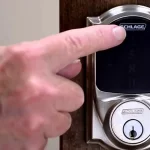
A Schlage Keyless Lock is an electronic deadbolt that allows you to unlock your door using a secure code instead of a physical key. Some models include a touchscreen lock, while others use a backlit keypad door lock interface. These locks operate on batteries and include a manual key override for emergencies.
Schlage is known for designing modern home locking systems that combine strong mechanical components with encrypted electronic features. In most models, the motor inside the lock engages the bolt after a correct code is entered, making it easy for anyone—from kids to elderly family members—to operate it safely.
Here’s what makes Schlage’s mechanism reliable:
Long battery life with low-battery alerts
Tamper-resistant construction
Secure encrypted communication
Auto-locking options for added security
In short, it is designed to offer both home security upgrades and hassle-free daily use.
Benefits of Using a Schlage Keyless Lock
While “no more lost keys” is often the biggest selling point, the full list of benefits goes much deeper. Here are some reasons homeowners love this upgrade:
1. Enhanced Convenience for Everyday Life
You don’t realize how much time you spend fumbling with keys until you stop using them. With a keyless entry system, you can open your door in seconds—even if your hands are full of groceries or kids.
2. Improved Home Security
Schlage’s electronic deadbolt is far stronger than a basic lock-and-key setup. Features like auto-locking, forced-entry resistance, and encrypted codes make it significantly harder for intruders to bypass.
3. Perfect for Guests, Renters, and Airbnb Hosts
One of the biggest benefits of using a Schlage keyless lock is the option to create temporary or one-time access codes. No more handing keys back and forth—simply delete a code when you no longer need it.
4. Stylish and Durable
From matte black to brushed nickel, Schlage offers a variety of finishes and models that blend with any home’s look.
5. Battery Efficiency
Despite being electronic, these locks last months or even years before a battery change is needed. It’s simple and easy.
How to Install a Schlage Keyless Lock (Beginners Welcome!)
Installing a Schlage keyless lock is one of the most beginner-friendly DIY tasks around. Whether you choose a keypad or touchscreen model, the process is typically the same.
Before you start, make sure you have:
A Phillips screwdriver
The lock components
Your door’s existing deadbolt removed
Now follow these steps:
1. Prepare the Door
Check the alignment of your door’s borehole and backset. Schlage locks are designed to fit most standard doors without modification.
2. Insert the Deadbolt
Place the latch into the edge of the door and secure it with screws. Ensure the “up” marking is facing correctly.
3. Attach the Exterior Keypad or Touchscreen
Slide the cable through the door hole and position the keypad on the outside of the door.
4. Install the Interior Assembly
Connect the cable, then carefully attach the interior plate and the battery compartment.
5. Insert the Battery Pack
The lock should light up or beep, indicating it is receiving power.
6. Test the Lock
Enter the default programming code (provided in the manual) to set your master code and first user code.
7. Final Adjustments
Make sure the bolt extends smoothly into the strike plate. Tighten screws if needed.
Tip: Before programming additional codes, always write down your master code and store it somewhere safe.
How to Reset a Schlage Keyless Lock
Knowing how to reset your lock is handy if you experience issues like unresponsive buttons, forgotten codes, or low battery glitches. The reset process depends on the model, but the standard method is:
Remove the interior cover
Disconnect the battery
Press and hold the “Schlage” button
Reconnect the battery while holding the button
Release the button when the lock beeps or flashes
After a successful reset, you’ll need to reprogram your codes. This step restores the lock to factory-default settings.
Real-Life Case Study: How a Schlage Keyless Lock Solved a Homeowner’s Security Problem
A few months ago, I worked with a homeowner named Mr. Harris, who had recently experienced a break-in attempt. While the intruder didn’t succeed, the scare was enough for him to rethink his home’s security.
His biggest concern?
“I’m always giving keys to contractors, cleaners, or my teenage daughter’s friends—and I never know where they end up.”
We installed a Schlage touchscreen keyless entry deadbolt, and within minutes, he realized how much easier life could be. He created separate codes for:
His family
House cleaners
His elderly parents
His dog-walker
Two weeks later, Mr. Harris told me that switching to a Schlage keyless lock was “the single best decision” he made for his property. He loved being able to delete codes instantly and check whether the door was locked at night. His peace of mind returned almost immediately.
This kind of transformation is exactly why keyless systems are so popular—they give real control back to homeowners.
Troubleshooting Tips for Schlage Keyless Locks
Even the best locks occasionally need attention. Here are common issues and how to fix them:
1. Lock Isn’t Responding
Check the battery compartment—low battery is the most common cause.
2. Bolt Isn’t Extending Smoothly
Your door may be misaligned. Tighten hinges or adjust the strike plate.
3. Forgot the Programming Code
Reset the lock using the steps above and reprogram from scratch.
4. Touchscreen Not Lighting Up
Clean the surface with a dry cloth. Dirt or water droplets can interfere with the sensor.
These simple fixes solve 90% of user-reported issues.
Tips for Using Your Schlage Keyless Lock Safely and Effectively
Use strong, unique access codes
Change codes regularly
Keep your master code private
Replace batteries proactively
Enable auto-locking if your model supports it
Do not share PINs casually
Following these small habits ensures your lock remains secure for years.
Final Thoughts
A Schlage Keyless Lock isn’t just a trendy upgrade—it’s a practical, reliable, and secure solution for today’s modern lifestyle. From easy installation to powerful safety features and customizable access options, it offers everything a homeowner needs in a secure entry solution.
And with real-life benefits like simplified access control and enhanced peace of mind, it’s no wonder these locks are becoming a top choice for families, landlords, and smart-home enthusiasts.
If you’re ready to enhance your home’s security and convenience, a Schlage keyless lock might be the perfect place to start.
FAQs
How long do Schlage Keyless Lock batteries last?
Most Schlage keyless lock batteries last 6–12 months depending on usage and weather conditions.
Can I use a Schlage Keyless Lock on an exterior gate?
Yes, if the gate has a standard deadbolt opening and is protected from heavy moisture.
Is a Schlage Keyless Lock waterproof?
The keypad and touchscreen are weather-resistant, not fully waterproof. They withstand normal outdoor conditions.
Can I rekey my Schlage Keyless Lock if needed?
Yes, most models include a key cylinder that a locksmith can rekey for added flexibility
Emma Williams, a mechanical engineer turned locksmith, specializes in high-security locks and electronic access control. She loves volunteering and exploring new cities in her spare time.
Emma Williams, a mechanical engineer turned locksmith, specializes in high-security locks and electronic access control. She loves volunteering and exploring new cities in her spare time.
As we move through 2026, the security landscape in West Palm Beach is being reshaped by two powerful forces: climate resilience and the rapid integration of Artificial…
Changing your home’s locks is one of the simplest yet most effective steps you can take to improve security. You should change locks on a house whenever…
A bedroom door locks with key is one of the simplest yet most effective ways to enhance privacy and security inside your home. Whether you’re living in…
A patio door lock is a critical feature in any home’s security setup—providing protection, peace of mind, and safety for your family. With burglars often targeting sliding…
A bifold door lock is essential for securing folding doors in homes and offices. It ensures safety, smooth operation, and convenience. Whether you’re looking to install a…